
4 strategies renewables owners can use to combat costly equipment losses
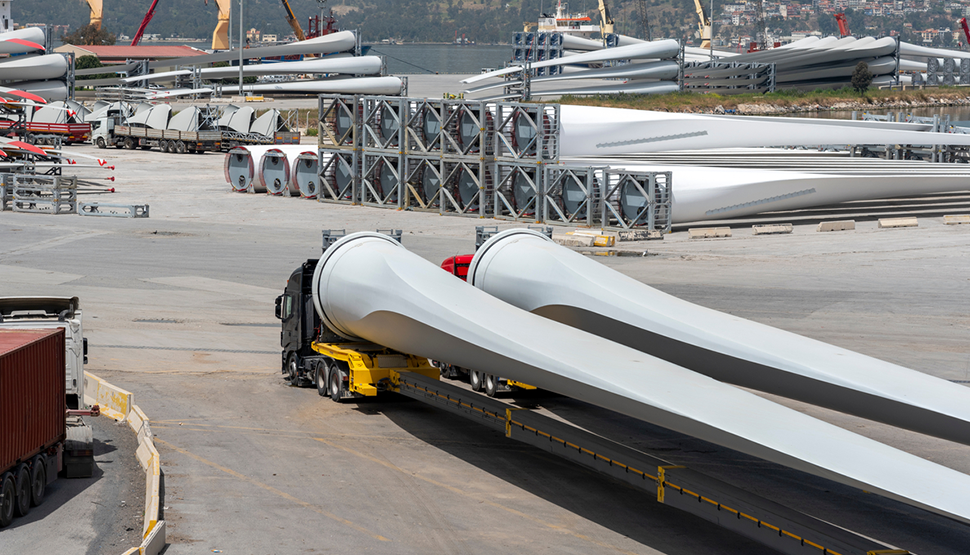
Photovoltaic (PV) and wind turbine technologies are rapidly evolving and today’s equipment is bigger and more powerful than ever. The average U.S. wind turbine capacity has reached 3.4 megawatts, a 375% power output increase since 1998.
As demand for renewable energy grows, systems are sometimes manufactured in more economic ways, and quality can suffer. A Texas solar farm, for instance, sustained massive damage after a recent hailstorm demolished its panels. The 3,000-acre compound faced major operational disruptions as well as reputational damage fueled by concerns about panel chemical leakage harming residents.
As incidents like this become more common, renewable equipment owners face significant challenges. Supply chain disruptions impact the availability of repair parts and increase materials costs, while the large size of replacement components can lead to logistical hurdles and expensive shipping fees. As PV and wind turbine losses escalate in both frequency and severity, insurers may not keep pace with the rising claims – policyholders paid an average of 20% - 40% more for renewable energy coverage in 2024 than they did in the year prior.
Organizations that implement certified PV and wind turbine equipment and operators that take a proactive risk mitigation approach to reduce potential renewable losses will be best positioned to avoid expensive repair, replacement and insurance costs in 2025 and beyond.
Are you addressing common renewable risks?
Renewable technology and equipment are subject to a range of potential claims:
- The combination of high consumer demand, skilled worker shortages and devastating weather creates a perfect storm of construction risks during the building phase of a renewable energy facility. As construction firms are pressured to work faster with a less experienced workforce in the face of heightened weather incidents, complicated and costly insurance claims are on the rise. Natural catastrophe and extreme weather events are responsible for 48% of onshore solar and wind construction project losses, while contractor error accounts for 16% of construction project losses.
- Hail, lightning, and fire cause severe PV and wind turbine equipment damage, downtime, and losses. Hail-related PV claims average approximately $58.4 million per claim and account for more than half of total solar loss claim costs. To add fuel to the loss fire, it’s difficult to extinguish flames on a roof with PV panels — even if the panels themselves don’t ignite, they create obstacles for firefighters to successfully put out the blaze.
- Design flaws can cause mechanical and electrical failure. The structural integrity of newer equipment hasn’t been proven over time, and rapid technological evolution opens the door to equipment malfunctions that lead to unforeseen repairs or losses.
- Leadership in Energy and Environmental Design (LEED) certification compliance issues arise when renewable technology and equipment does not meet the requisite efficiency and sustainability standards. Suboptimal performance can result in warranty issues, losses, and claims.
4 strategic ways to mitigate renewables losses
Take proactive steps to bolster the resiliency of your renewable equipment, avoid costly repairs, and potentially reduce insurance claims and the need for replacement:
- Due diligence. The best time to address PV and wind turbine equipment losses is before they happen. Consider equipment loss factors such as weather, ecological implications, common rodent and pests, and overall landscape when choosing a facility location.
Select equipment that’s been tested and certified for the geographic region of your facility to ensure it is best suited for the weather elements and climate in your chosen area. Understand the loss expectancy of hail damage to the panels, for example, when planning for a hail-prone region.
Be knowledgeable about your insurance policy premiums, how potential claims could impact your costs, and any criteria your facility must meet to remain in compliance with state and local law and insurance coverage provisions.
- Invest in third-party certified renewable systems. Without meeting thorough, science-backed requirements, PV and wind turbine equipment is more susceptible to damage from factors like severe weather, power losses and fire hazards, which result in costly losses and claims. Prevent future losses by choosing renewable equipment and technology that’s undergone rigorous testing for the reliability and safety of its materials and operations. Seek out wind turbines certified with proven lightening detection, for example, so you will be able to identify and repair damage before it propagates to failure.
- Develop emergency response protocols. Weather events like flooding, hail, windstorms and wildfires can damage and impact the functionality of your renewable equipment. Be prepared by implementing fire extinguishing systems and securing ready access to replacement parts and repair services to keep systems functioning as seamlessly as possible.
- Partner with specialists in renewable energy. Proper risk mitigation strategies should influence the pricing of your insurance policy and premiums. Partner with an insurance expert that can navigate and clearly communicate the nuances of your specific renewable risk to help you obtain the most attractive rates possible.
Look for the FM APPROVED mark
With the fast-paced evolution of renewables, manufacturers and users of PV systems can rely on the validation that FM Approvals provides with confirmation that tested and certified products contribute to a facility’s property loss prevention strategy while performing under the toughest conditions.
As an international third-party certification organization, FM Approvals uses our scientific approach to simulate real-world circumstances to objectively evaluate the performance of loss prevention products. If your organization manufactures or is in search of PV or other renewables systems including roof-mounted PVs and transformer monitoring solutions, access the Approval Guide and RoofNav.