
Looking at the sustainability of renewables
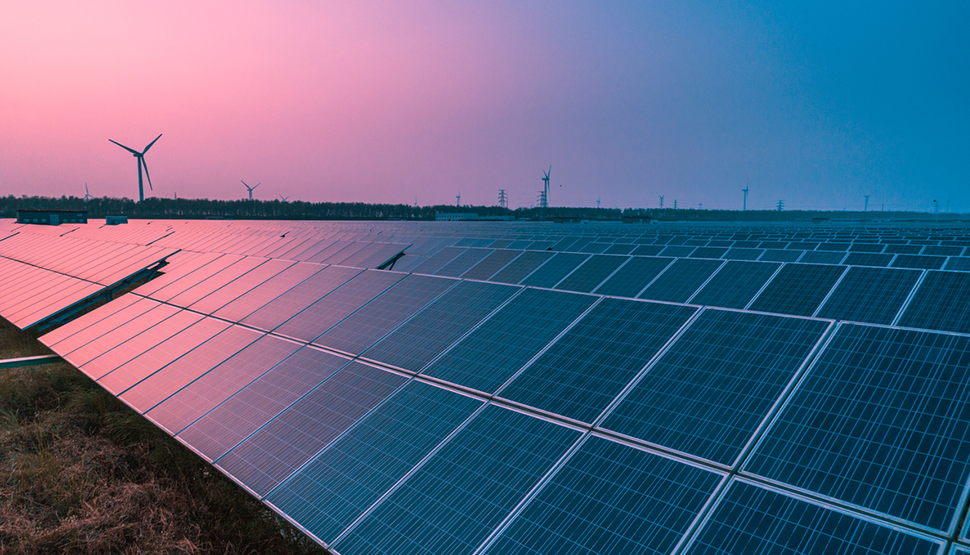
In September 2024, Typhoon Bebinca wreaked havoc in Shanghai and its surrounding areas with 95 mph winds. The most perilous storm since 1949, the typhoon forced the evacuation of nearly 400,000 people and left a trail of destruction including hundreds of photovoltaic (PV) roofs and stations damaged or destroyed.
Amid the widespread damage in Shanghai, five roof-mounted PV systems that were designed and installed in compliance with IEC and local codes and equipped with third-party certification demonstrated remarkable resilience, withstanding consistent 72 mph winds without a single panel blown off or damaged. These installations exemplify how certified systems deliver the durability required to endure extreme environmental events—setting a new benchmark for truly sustainable renewable energy systems.
PV systems are highly susceptible to weather events, with rain and flooding as the leading causes of solar outages, followed by high winds. Premature failures in PV panels and wind turbines – designed to last for decades and costly and challenging to recycle – will lead to a serious setback in sustainability goals. Moreover, many wind turbines are engineered to withstand winds up to 112 mph (Category 3 hurricane force) . Speeds beyond this threshold can severely damage rotors or even topple turbines. – designed to last for decades and costly and challenging to recycle – will lead to a serious setback in sustainability goals.
By seeking out tested and certified PV and condition monitoring systems for wind turbines (which can evaluate the impact of such weather events in real-time), manufacturers and building owners can significantly enhance their systems’ durability, contributing to a sustainable energy infrastructure that is prepared for a lifetime of environmental challenges.
The cost to repair or replace damaged renewables equipment is substantial. From an insurance perspective, both insurers and the organizations using renewables are susceptible to high impact renewables-related claims. FM, the global commercial property insurer, and FM Approvals are both always actively looking to combat the potential for losses in this space. The continued focus will lead to breakthroughs in research and additional FM Approved mitigation solutions to continue to address these and other emerging property loss risks.
How certification supports sustainability
For building owners and facilities teams, choosing certified renewable systems can significantly enhance sustainability by preventing loss, reducing waste and supporting compliance with environmental standards.
Here are three ways renewable product certification can make a difference:
- Reliable performance and longevity. Certified PV systems as well as wind turbines that use FM Approved acoustic monitoring systems to evaluate real-time performance and any potential issues, are all designed to build resilience against severe environmental stressors—such as hail, high winds and temperature extremes. This is confirmed through whole-system testing, ensuring functionality as a cohesive unit, maintaining reliable performance over the system’s lifespan.
By reducing the need for frequent repairs or early replacements, certified systems can lower the overall carbon footprint tied to maintenance and resource consumption. For instance, PV systems certified for fire safety reduce the risk of fire spreading from the panels to the building, while wind turbines with robust cybersecurity safeguards are better protected against operational disruptions from hacking. Certification of these systems, from physical resilience to digital security, supports a long-term, sustainable approach to energy production. As renewables evolve, FM Approvals will continue to develop and publish standards for emerging technologies. As of today, there is not a standard for wind turbines themselves, but rather the performance monitoring for components and indicators that could be the first sign of failure. For example, FM Approvals Examination Standard 6550 for Acoustic Condition Monitoring of Wind Turbines aid in determining the health of the blades and provides dynamic information on the progression of any degradation that could be addressed with planned maintenance rather than leading to a total loss when left unaddressed. - Support for environmental and regulatory standards. Renewable certification aligns with Environmental, Social and Governance (ESG) initiatives by adhering to rigorous safety, environmental stewardship and transparency standards. Certified systems meet key regulatory requirements, from reduced carbon emissions to sustainable manufacturing practices, which allows companies to demonstrate their commitment to sustainability.
Additionally, certification provides an option for those looking to add a green label to PV or wind systems by diving deeper into aspects like material sourcing, volatile organic compounds content and emissions data. This added layer of verification offers building owners and facilities teams confidence that their renewable energy systems are not only high-performing but also responsibly produced and environmentally sound. - Reduced waste and landfill impact. When renewable systems are certified, they’re less likely to fail prematurely, reducing the amount of waste sent to landfills. Systems that fail early lead to increased carbon emissions and resource expenditure due to the need for replacement materials, transportation and installation. Mechanically sound, certified products decrease waste and support a more sustainable life cycle, minimizing the environmental burden from manufacturing to disposal.
Testing and certifying with FM Approvals
FM Approvals supports sustainability by testing and certifying products that minimize environmental impact and enhance resilience to fires, explosions and natural hazards.
Completed comprehensive system certification with FM Approvals means that PV or condition monitoring systems have been evaluated and are ready to supply energy through the full length of their lifespan.
Start the certification process today and access the Approval Guide for a list of tested and certified, renewables and loss prevention products.