
Addressing renewables vulnerabilities with certification
Certified renewable systems demonstrate readiness to perform reliably
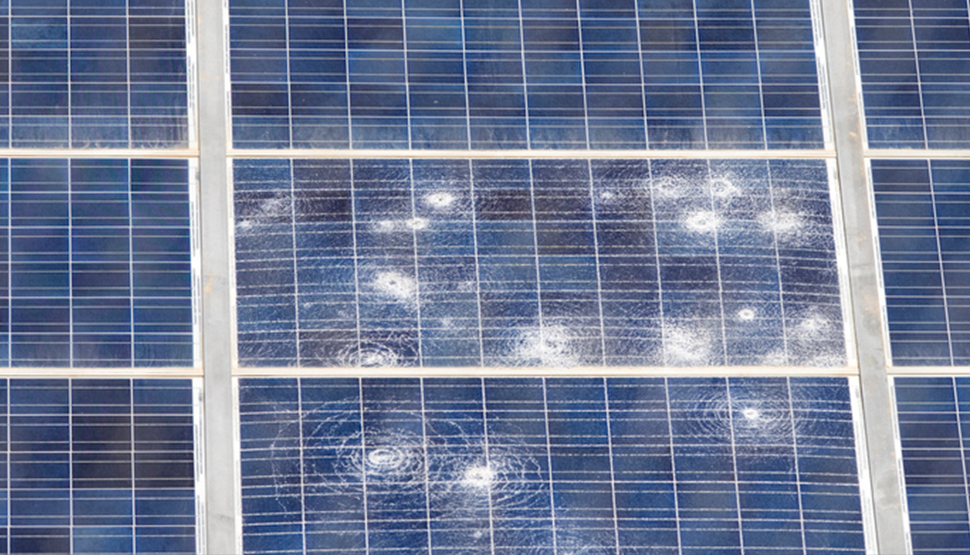
When exposed to hail or winds from a weather event or hit with an electrical malfunction, a damaged photovoltaic system could cause an extended outage, bringing about a great financial loss for the building it supplies power.
Without third-party certification, renewable systems are more susceptible to damage from severe weather, malfunctioning inverters, power losses, fire hazards and even cyberattacks. These vulnerabilities can result in costly downtime and even serious structural damage to the building.
Across the U.S., solar and wind energy generation is growing rapidly, with solar capacity increasing by an average of 22% annually over the past decade. With this growth, comprehensive third-party testing and certification of PV components and systems become even more essential.
Beyond meeting the requirements of technical standards, certification identifies and addresses potential vulnerabilities while verifying whether or not a product is equipped for real-world conditions. Through comprehensive testing, certified renewable systems demonstrate readiness to perform reliably, helping to minimize the risk of costly failures.
Hidden risks of not certifying
While product certification can be seen as a nonessential initiative by some, failing to properly protect and safeguard investments in renewables equipment can be shortsighted.
Here are some hidden risks of failing to certify:
- Exposure to cybersecurity vulnerabilities. The FBI recently warned that hackers are looking to target renewable systems to disrupt US power generation, steal intellectual property and ransom critical information. Uncertified PV and wind systems lack rigorous cybersecurity assessments, leaving them exposed to hacking attempts or remote tampering. These vulnerabilities could permit unauthorized access, potentially redirecting power or disrupting system operations. Certification can help ensure that the PV or wind systems are designed with measures to address these risks, helping to reduce the likelihood of digital threats compromising physical infrastructure.
- Lost ROI. Renewable systems typically take about a decade to recoup full investment. If the renewable system fails or is unable to perform prior to its full lifespan, not only is the physical equipment damaged, but the company’s investment in the technology is also gone. When this happens before the decade mark, the company will need to fill the void in power production, transfer to pulling more energy from the grid (and take on the associated costs and administration), and consider a new PV system installation.
- Increased fire hazard. If PV panels attached to a roof top are struck by lightning, there is a risk of fire spreading to the building. The risk increases if panels are installed by third-party contractors on rented rooftops. Certification helps ensure that the whole system, including components from multiple manufacturers, has been evaluated to meet globally recognized standards.
- Susceptibility to potential-induced degradation (PID). PID can gradually lower a panel’s efficiency due to voltage stress, heat or humidity. While all PV systems can experience PID, uncertified systems may lack the thorough testing that evaluates durability against such stress factors. Certification helps ensure that renewables are built with resilience to environmental and operational stressors that contribute to PID, supporting long-term efficiency and reliability.
- Risk of catastrophic failure. For a PV panel, whose lifespan is 25 years, the probability of encountering a rare, extreme catastrophic (CAT) event during its operational life is 22.2%. Known as the “return period,” this concept measures the likelihood of an event every century. Without certification, systems are often more vulnerable to CAT conditions, increasing the likelihood of damage, costly repairs, and power loss during their lifetime.
- Reputational damage. In the event of an electrical malfunction and fire, or major damage to a renewable system from extreme weather, the potential level of structural damage and downtime to the business is significant. System failure can halt business operations, damaging reputation and lowering stock value and creating a business interruption challenge.
Top three advantages of PV system certification
Certification offers more than compliance; it signals a rigorous vetting process that identifies a PV or wind turbine system's potential vulnerabilities and confirms its capacity to handle real-world challenges. By investing in certification, renewable system owners gain three critical advantages:
- Reliable performance— Certification validates that a renewable system can operate dependably, even in challenging conditions. Through rigorous testing, each component is evaluated for resilience to extreme weather, temperature fluctuations and potential cybersecurity threats. Certified systems undergo simulated fault conditions and performance testing across temperature ranges and exposure to hail and high winds, ensuring the system is more likely to perform as expected. This comprehensive assurance means that every component has been optimized for durability across a range of operational scenarios.
- Reduced carbon footprint and enhanced sustainability— Certified renewable systems support environmental, social and governance (ESG) goals by providing a reliable solution that reduces waste over time. Certification ensures that systems are mechanically sound and less prone to breakdowns, contributing to a lower carbon footprint throughout their lifecycle. For companies with ESG commitments, using certified products underscores a dedication to sustainability, environmental responsibility and transparency. Unlike some green labels that focus only on materials, full system certification demonstrates that the PV or wind turbine system is designed to operate efficiently and sustainably, supporting an eco-friendly mission.
- Extended lifespan— Investing in certification can enhance a system’s lifespan, allowing owners and investors to see returns over the long term. Certified systems are built to withstand harsh elements like wind, hail and rain, reducing the need for early replacements and minimizing downtime. This durability means fewer replacements, less frequent repairs and, ultimately, a better ROI over time. For PV system owners, longevity translates to a steady energy supply without unexpected disruptions.
Certify with FM Approvals
FM Approvals is dedicated to reducing business risk by certifying PV systems and their components. FM Approvals’ certification process supports resilience against a range of threats, including fire and wind. Tested and certified products have been evaluated to confirm they can perform reliably across varied conditions.
For end users, FM Approved systems perform as expected under the most demanding circumstances. Manufacturers benefit from a certification that enhances their market credibility. Engineers and regulators gain confidence in products that have been independently tested and certified to globally recognized standards.
Start the certification process today and access the Approval Guide for a list of tested and certified, renewables and loss prevention products.